Image credit: RAH
Latest Posts & Commentary

The Character of Virtue

Photography: January 1, 2025

The Character of a Prophet’s Speech as Divine Testimony

The Scripture’s Account of Gideon: Preliminary Considerations

Photography: November 1, 2024
Smashing the Kingdom of Jove
Recently Uploaded Photos


Edits & Rewrites

Reading the Old Testament by the New (& the New by the Old)

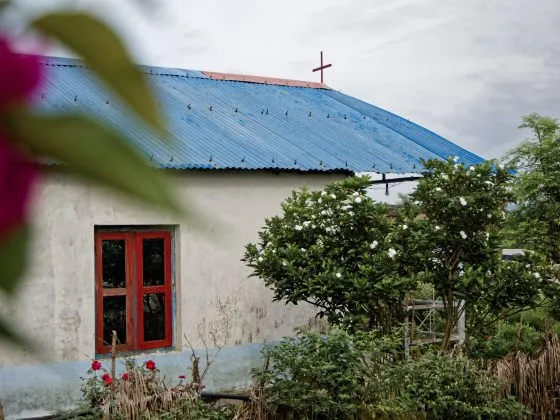
Photograph: A Tea Garden in Ilam, Nepal
“To love at all is to be vulnerable. Love anything and your heart will be wrung and possibly broken. If you want to make sure of keeping it intact you must give it to no one, not even an animal. Wrap it carefully round with hobbies and little luxuries; avoid all entanglements. Lock it up safe in the casket or coffin of your selfishness. But in that casket, safe, dark, motionless, airless, it will change. It will not be broken; it will become unbreakable, impenetrable, irredeemable. To love is to be vulnerable.”
C.S. Lewis
The Four Loves
“See the heinousness of sin by this, that Christ was made a curse…
…if thou wouldst know what sin is, go to mount Calvary.”
Thomas Goodwin
Christ our Mediator
“Holiness does not consist in mystical speculations, enthusiastic fervors, or uncommanded austerities; it consists in thinking as God thinks, and willing as God wills.”
John Brown
Expository Discourses on 1 Peter
“Everybody, soon or late, sits down to a banquet of consequences.”
Robert Louis Stevenson
“Grace knows no jealousies except for the honor of God.”